 Régys Borges da SilveiraBooks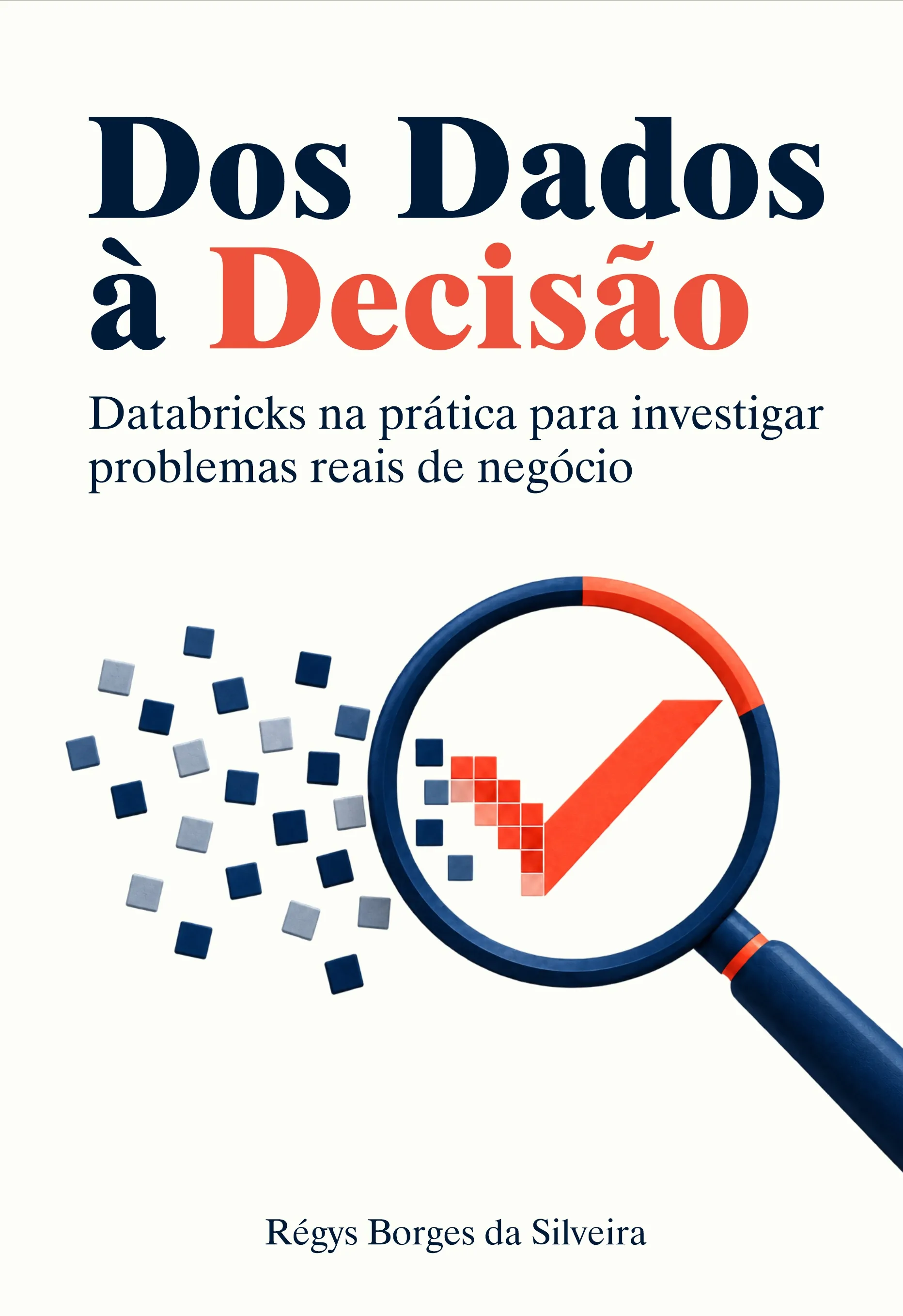
Data & Decision-Making
Having data is not enough. You need to know which question to ask and what evidence the answer supports.
From Data to Decision
Databricks in practice for investigating real business problems
Learn to turn scattered data into evidence that supports more responsible business decisions and actions.
Notify me when it is available
This book is currently available in Brazilian Portuguese.
About the book
A complete view of the book.
Having data is not enough to make sound decisions. Orders, inventory, costs, failures, sensors, and spreadsheets only become useful when they answer a clear question, pass validation, and gain context. From Data to Decision presents this path with Databricks without turning the tool into an end in itself.
Through the Atlas Case, readers investigate production, quality, inventory, suppliers, sales, and margin. Queries, exercises, SQL patterns, data contracts, and an implementation roadmap help distinguish fact, evidence, hypothesis, and gap before proposing action. The goal is not to find a magic cause, but to build responsible, contestable decisions followed by new measurements.
The challenge
Does this situation sound familiar?
Companies accumulate orders, inventory, costs, failures, sensors, and spreadsheets, but isolated numbers do not explain what is happening. Without clear questions, validation, and context, an analysis can look convincing while still leading to a fragile decision.
The book’s approach
A path from intention to practice.
Learn a practical path—problem, question, data, investigation, information, evidence, decision, action, and a new measurement—using Databricks and the Atlas Case to connect analysis to useful, responsible, and contestable choices.
“Deciding means choosing an action despite uncertainty—and accepting that the next set of data will assess the quality of that choice.”
By the end of the book, you will be able to:
✓Formulate business questions before opening a dashboard or writing a query
✓Explore data in Databricks without losing sight of context, granularity, and limits
✓Validate keys, cardinality, and reconciliations before trusting a number
✓Investigate production, quality, inventory, suppliers, sales, and margin as connected subjects
✓Distinguish fact, evidence, hypothesis, gap, and decision
✓Turn an analysis into an action followed by a new measurement
Questions that guide the reading
Answers begin with the right questions.
Questions explored through context, criteria, and examples.
Why can an apparently correct join or metric lead to a wrong conclusion?
How can production, quality, inventory, and margin problems be investigated without searching for one single cause?
What needs to accompany a decision so it can be verified later?
Inside the book
A structured journey that helps you move forward.
Concepts and applications presented in a coherent sequence.
From data to information
Understand why owning records does not yet mean understanding a business situation.
Databricks without complication
Use Databricks as an environment for investigation without making the tool an end in itself.
Trustworthy data
Check quality, keys, joins, counts, and reconciliations before advancing a conclusion.
Investigating the company
Investigate production losses, scrap, failures, inventory, suppliers, and margin through progressive questions.
Information and decision
Connect analyses to responsibilities, alternatives, limits, and later follow-up.
The Atlas Case
Work through a complete case with teaching data, queries, exercises, and response criteria.
Content in preparation
Planned book structure
Explore the 3 parts and 14 planned chapters. Titles may be refined during editorial review.
View chapters14 chapters
Part I — From Data to Information
- You have data. But do you have information?
- Databricks without complication
- The first Atlas data
- When data cannot be trusted
Part II — Investigating the Company
- Why do we produce less than planned?
- Where does scrap come from?
- Were there signs before the failure?
- How can a product be missing with so much inventory?
- What are suppliers telling us?
- Does selling more mean earning more?
Part III — From Information to Decision
- When production, inventory, and sales talk to each other
- From analysis to follow-up
- AI: when data starts working for you
- The Atlas Case: from question to decision
What makes this book different
Depth to understand. Clarity to keep moving forward.
Databricks presented as an environment for investigation rather than a collection of screens or features
An integrated Atlas Case with fictional operational data and problems that cross business areas
Validation, reconciliation, and evidence limits addressed before any conclusion
Exercises, SQL patterns, data contracts, and an implementation roadmap for putting the method into practice
Who this book is for
Knowledge that becomes action.
Professionals, analysts, managers, and students who want to investigate real business problems with data instead of treating dashboards as ready-made answers will find a direct approach connected to concrete problems.
✓ Professionals who need to turn operational data into business decisions✓ Analysts and managers who want to investigate before explaining a problem✓ People who want to learn Databricks through real situations rather than tool features alone✓ Students and teams who need to connect analysis, evidence, action, and follow-up
Before you begin
What you need to benefit from the book
✓No previous Databricks experience is required
✓Familiarity with spreadsheets, business data, or basic queries helps, but the concepts begin with the question
An informed choice
This may not be the right book if…
—Readers looking for a formula that produces correct decisions without investigation and human judgment
—Readers expecting a tool or dashboard to reveal a root cause on its own
Upcoming release
Receive resources and updates about From Data to Decision.
Sign up for content, samples, and new resources related to the book.
Upcoming release
From Data to Decision is coming soon.
Official links will be published as soon as the editions are available.
Keep reading
Other books for your journey
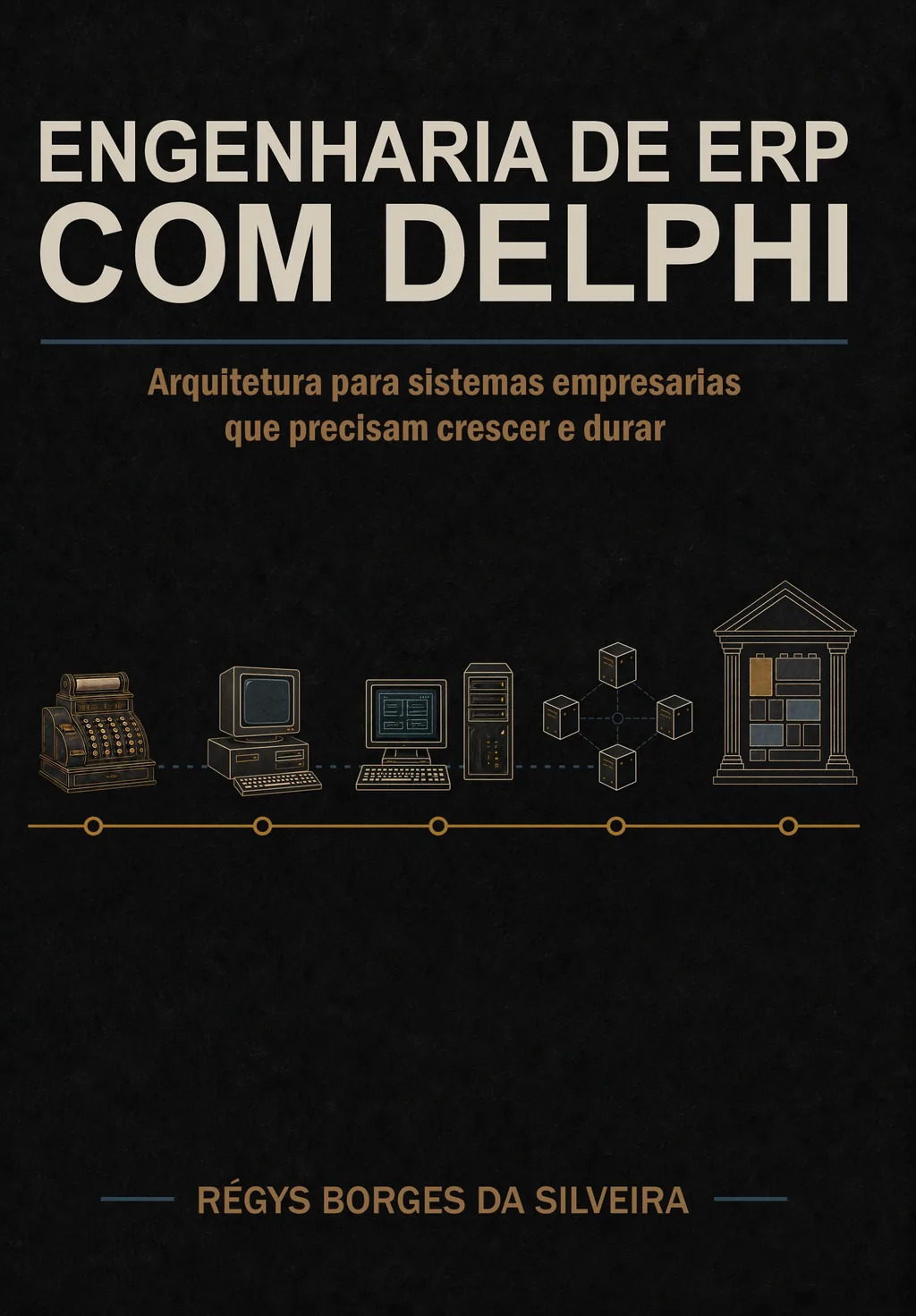
Delphi & ERP Engineering
ERP Engineering with Delphi
Build and evolve Delphi ERPs without losing consistency, traceability, or recoverability.
Explore →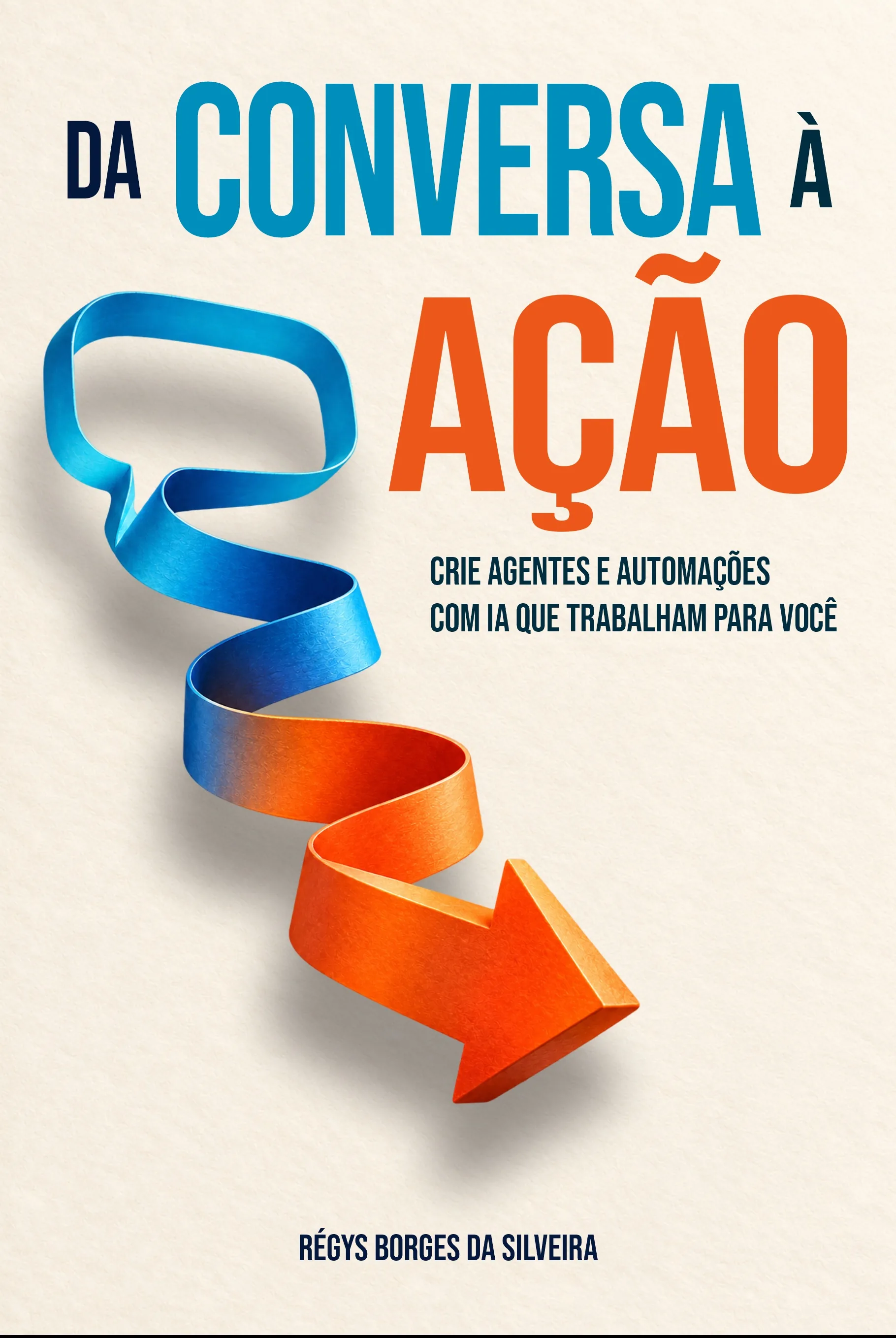
AI & Automation
From Conversation to Action
Move beyond conversation and build automations and agents that organize information, use tools, and perform tasks under your control.
Explore →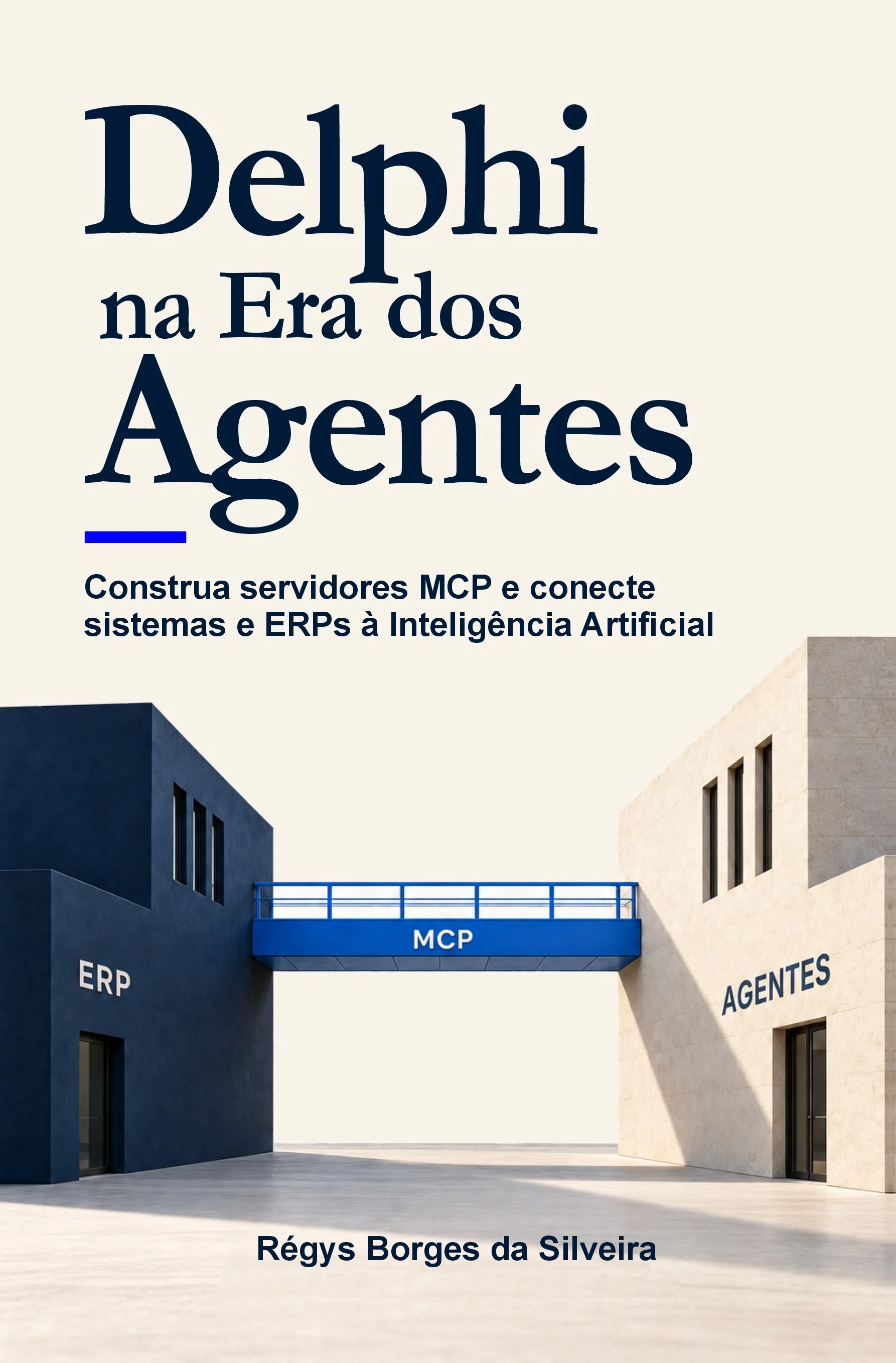
Delphi & AI Agents
Delphi in the Age of Agents
Build the bridge between your Delphi systems and AI agents with MCP, controlled capabilities, and human approval.
Explore →