 Régys Borges da SilveiraBooks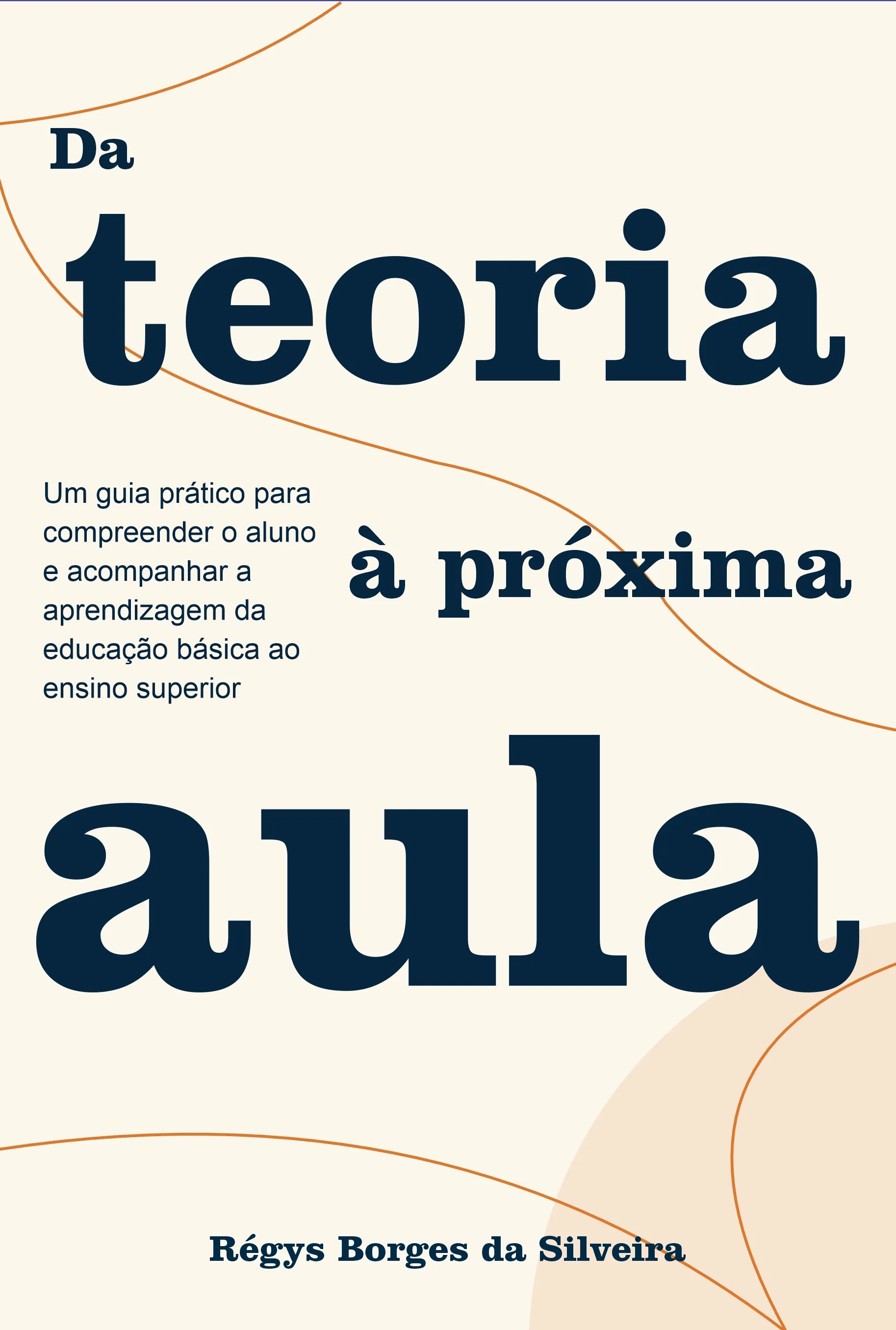
Education & Learning
The lesson ends. The questions remain.
From Theory to the Next Lesson
A practical guide to understanding students and monitoring learning — from basic education to higher education.
Connect what you know about learning to the decisions you make before, during, and after a lesson.
Notify me when it is available
This book is currently available in Brazilian Portuguese.
About the book
A complete view of the book.
From Theory to the Next Lesson connects concepts about teaching and learning to situations where educators explain, choose activities, examine responses, and provide support. It distinguishes participation, task completion, and learning, helping readers observe prior knowledge, reasoning, difficulties, and progress without reducing a student to a label.
Across five parts and twenty planned chapters, the guide explores explanation, guided practice, retrieval, questions, cooperation, cases, inquiry, projects, assessment, and feedback. Illustrative examples, diagrams, and working instruments connect the repertoire to classrooms with different needs. Proposals require contextual adaptation; early childhood education retains its own approaches to play, interaction, and observation. AI is optional support, not a requirement.
The challenge
Does this situation sound familiar?
An activity worked for some students, while others did not know how to begin. Some participated enthusiastically, yet what they understood remains unclear. Between reviewing answers and preparing the next lesson, how do you decide what to revisit, what support to offer, and when to move on?
The book’s approach
A path from intention to practice.
Follow five movements: understand learners, plan, teach, monitor, and adjust. Connect objectives, strategies, and student responses to choose a feasible change and observe what it reveals about learning.
“What students reveal in their responses can guide the teacher's next choice.”
By the end of the book, you will be able to:
✓Investigate students' prior knowledge and reasoning
✓Define objectives and seek relevant evidence
✓Choose strategies suited to content, time, and resources
✓Distinguish participation from individual understanding
✓Provide feedback and opportunities to try again
✓Adjust the next lesson based on observations
Questions that guide the reading
Answers begin with the right questions.
Questions explored through context, criteria, and examples.
What do errors reveal, and what still needs investigation?
Which strategy fits the available time and resources?
How can assessment inform a decision for the next lesson?
Inside the book
A structured journey that helps you move forward.
Concepts and applications presented in a coherent sequence.
Understand learners
Observe prior knowledge, errors, and needs without assigning a single cause to difficulties.
Plan with direction
Connect objectives, tasks, and assessment to actual teaching conditions.
Explain, practise, and revisit
Combine explanations, worked examples, guided practice, and retrieval to support understanding and use of knowledge.
Ask questions and learn together
Organize questions, cooperation, cases, and projects while attending to what each student demonstrates.
Monitor and offer support
Use responses, assessment, and feedback to decide when to revisit, help, or introduce a challenge.
Choose the next change
Adapt the journey to your context, try a feasible change, and monitor its effects without universal promises.
Content in preparation
Planned book structure
Explore the 5 parts and 20 planned chapters. Titles may be refined during editorial review.
View chapters20 chapters
Part I — Understanding learners
- What does learning mean?
- What does the student already know?
- What can errors reveal?
- One class, different needs
Part II — Planning learning
- What should the student be able to do?
- How do we know the objective was achieved?
- Which strategy fits this situation?
Part III — Putting strategies into practice
- Explaining and supporting the first steps
- Helping students remember and use what they learned
- Asking questions that reveal thinking
- Learning with peers
- Learning through cases, problems, and inquiry
- Developing projects with visible learning
- Preparing students for independent study
Part IV — Monitoring each student and deciding the next step
- Noticing learning during a lesson
- Designing assessments that reveal what matters
- Giving feedback that helps students advance
- Adjusting teaching based on observations
Part V — From theory to the next lesson
- The complete journey in different contexts
- Choosing a change and monitoring its effects
What makes this book different
Depth to understand. Clarity to keep moving forward.
A journey connected to decisions before, during, and after lessons
Illustrative examples and adaptations across teaching contexts
Individual monitoring without rigid student classifications
Working instruments and visual explanations, with AI only as optional support
Who this book is for
Knowledge that becomes action.
Teachers, lecturers, instructors, and educators seeking to understand their students and expand their teaching repertoire will find a direct approach connected to concrete problems.
✓ Teachers in basic education✓ Lecturers in technical and higher education✓ Instructors and professionals teaching their area of expertise✓ Experienced educators seeking to expand and reconsider their repertoire
Before you begin
What you need to benefit from the book
✓No prior knowledge of pedagogy is required
✓The proposals can be understood and used without artificial intelligence
An informed choice
This may not be the right book if…
—Readers expecting one method to work for every classroom
—Readers seeking clinical diagnoses or definitive student classifications
Upcoming release
Receive resources and updates about From Theory to the Next Lesson.
Sign up for content, samples, and new resources related to the book.
Upcoming release
From Theory to the Next Lesson is coming soon.
Official links will be published as soon as the editions are available.
Keep reading
Other books for your journey
Education and AI
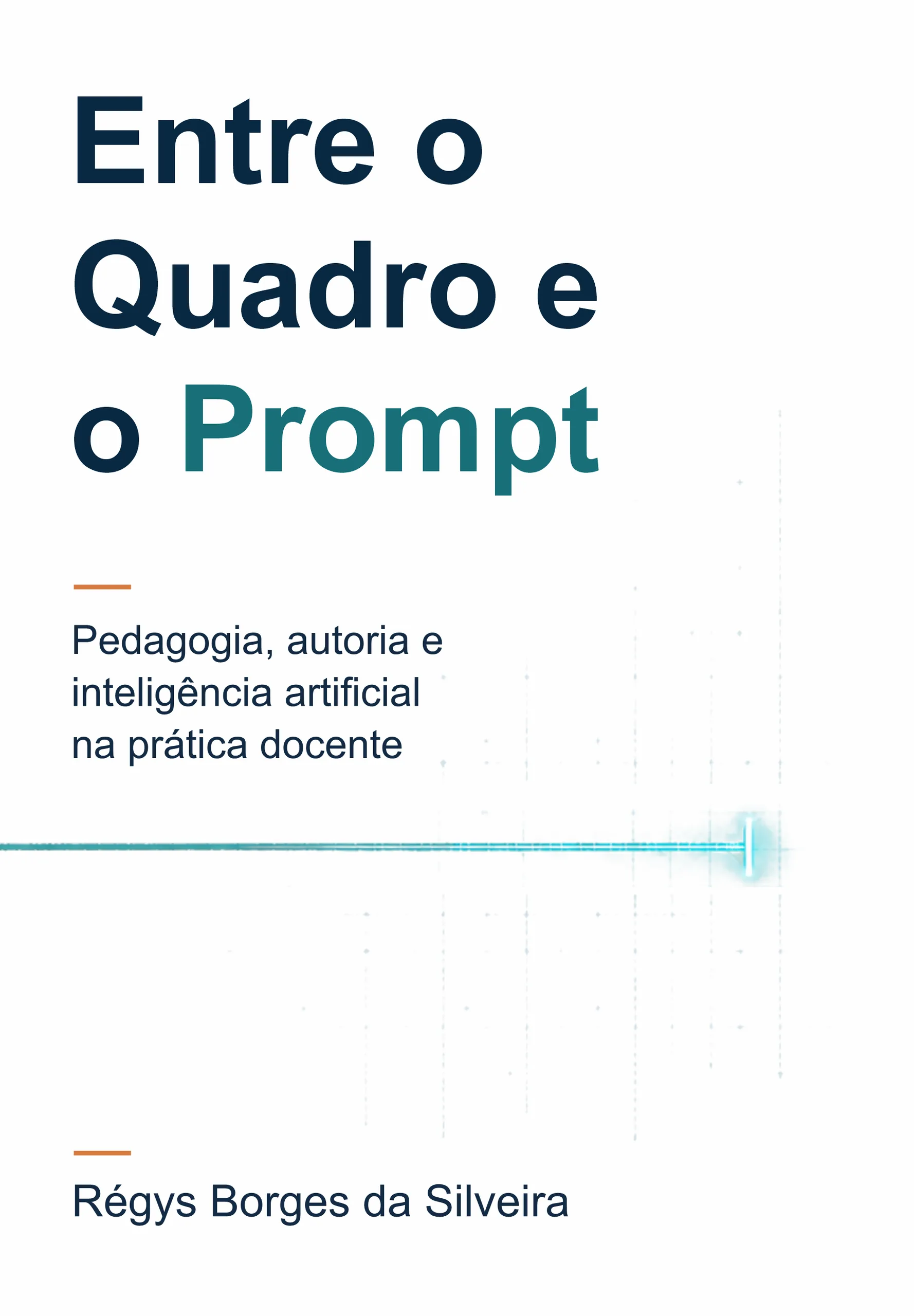
Entre o Quadro e o Prompt
Bring AI into education while preserving the teacher's authorship, judgment, and responsibility.
Explore →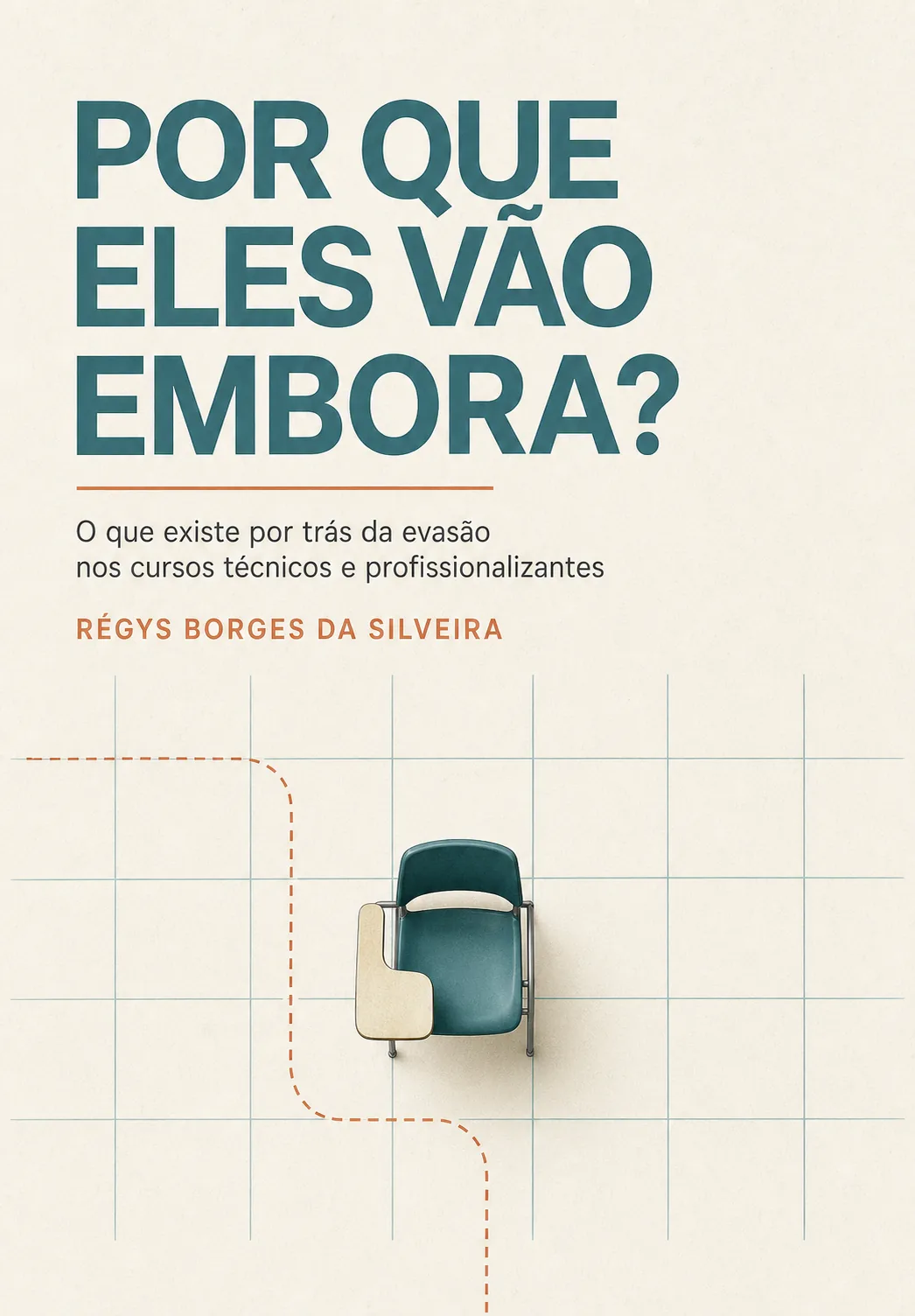
Vocational education
Why Do They Leave?
Understand the journeys behind the empty chair and recognize signs while the student is still present.
Explore →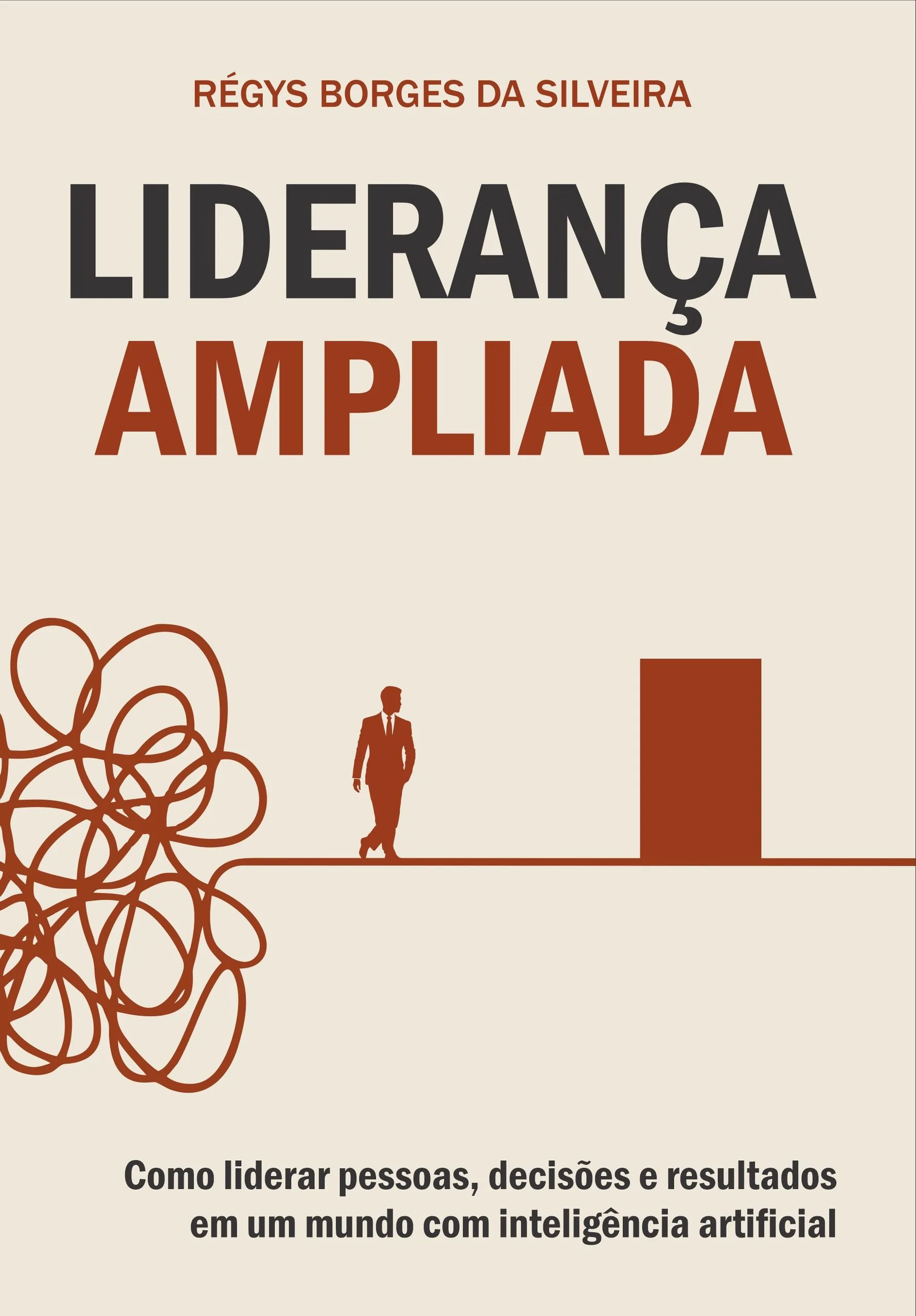
Leadership and AI
Liderança Ampliada
Use technology to reveal the right problem and restore attention to work that requires human judgment.
Explore →