 Régys Borges da SilveiraBooks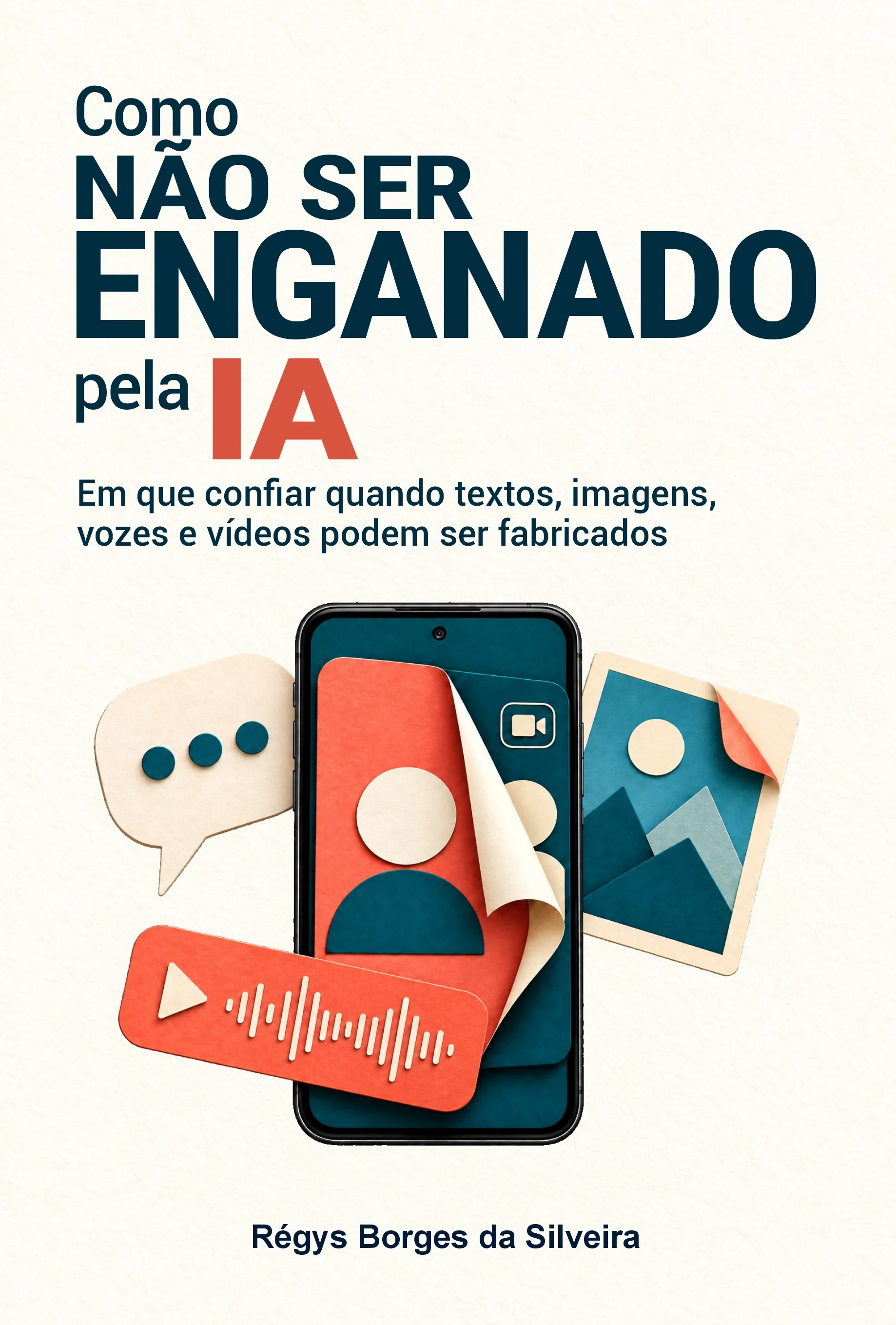
AI & Trust in Information
Looking real is no longer enough.
How Not to Be Fooled by AI
What to trust when texts, images, voices, and videos can be fabricated
Recognize when to pause, what to confirm, and how to seek evidence before believing, sharing, or acting.
Print edition availableBuy the print bookRead on paper, ready to consult and keep close.R$ 45,77Buy on UICLAP →Buy on KindleAlso included with Kindle Unlimited
Prices checked on 28/09/2026. Shipping is set by the store.
★ Review this bookThis book is currently available in Brazilian Portuguese.
About the book
A complete view of the book.
A familiar voice asks for help. A video shows someone saying something surprising. A polished answer seems to settle the question. How Not to Be Fooled by AI starts with these situations to show why looking real is not enough when texts, images, voices, and videos can be fabricated or used out of context.
With no technical background required, the book proposes questions and habits for assessing sources, evidence, and consequences before believing, sharing, or acting. It also addresses trust in relationships, family conversations, and what to do after recognizing a mistake. It promises no immunity: the aim is greater autonomy and discernment without turning everyday life into constant suspicion.
The challenge
Does this situation sound familiar?
A familiar voice asks for money, a video seems to offer conclusive proof, and a polished answer sounds certain. Text, images, voices, and videos can be fabricated or taken out of context; appearance alone cannot tell us whether to trust and act.
The book’s approach
Better criteria for trust, without living in constant suspicion.
Learn to separate appearance, source, identity, and truth; pause in proportion to the risk, seek independent confirmation, and talk about uncertainty without shame or constant suspicion.
“The question is not only whether AI was used. It is whether there is enough evidence to trust this decision.”
By the end of the book, you will be able to:
✓Notice when a message calls for a pause before action
✓Tell convincing content apart from trustworthy evidence
✓Confirm urgent requests through an independent channel
✓Assess claims in images, videos, and assistant answers
✓Talk about deception respectfully, without blaming those who believed it
✓Make simple agreements about trust in everyday life
Questions that guide the reading
Answers begin with the right questions.
Questions explored through context, criteria, and examples.
Does a photo or video actually support the story accompanying it?
When does a polished AI answer need to be checked?
How can you help someone who believed or shared something false?
Inside the book
A structured journey that helps you move forward.
Concepts and applications presented in a coherent sequence.
Appearance and trust
Understand why something plausible is not necessarily authentic or true.
Pausing and confirming
Build a routine for pausing, identifying the claim, and checking it independently.
Voices and identities
Recognize the risks of voice and identity imitation without treating technology as infallible proof.
Images, videos, and context
Examine source, editing, cropping, and context before accepting an image or video.
AI answers and news
Check facts and references in assistant responses and in news that confirms your beliefs.
Agreements and recovery
Agree on ways to confirm requests with people close to you and correct mistakes without humiliation.
What makes this book different
Depth to understand. Clarity to keep moving forward.
Focus on decisions and evidence, not guessing whether AI was involved
Everyday situations involving family, work, shopping, and social media
Accessible language without promises of infallible detection
A respectful approach to people who have already been deceived
Who this book is for
Find your place in this book.
People who use messaging apps, social media, and AI tools in everyday life, with no technical background required.
✓ People receiving messages and urgent requests in apps✓ Families seeking safe ways to confirm requests✓ People who consume news, images, and videos on social media✓ AI assistant users who want to assess answers more carefully
Before you begin
What you need to benefit from the book
✓No technical knowledge required
✓Only a desire to assess messages, social media, and digital tools more carefully
An informed choice
This may not be the right book if…
—Readers seeking a formula that eliminates every chance of deception
—Readers expecting one detector or visual clue to settle every doubt
Beyond this book
More reading. New conversations.
Explore the free guide collection and follow the books on Instagram, at your own pace.
Free guidesNo registration
One question.
A place to start reading.
137 free guides across nine pathways on rights, money, technology and public life: short reads with examples and sources to explore.
3 guides to explore this subject
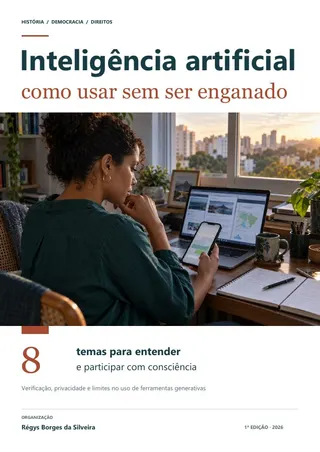
 Inteligência artificial: como usar sem ser enganado
 Criteria for using AI without treating every answer as evidence.
 Como conferir uma informação
 Checking sources before believing, sharing or acting.
 Ciência: como avaliar uma descoberta
 Attention to evidence, limitations and the scope of a claim.
Independent free readings, not a sample of this book. Guides are in Portuguese.
Choose a guide
Read online or download a free PDF. Guides are in Portuguese.
Books on Instagram
@livrosregysBooks by Régys


Between reads,
the ideas keep coming.
Thought-provoking excerpts, book news and a look behind what I am preparing. Discover your next idea there.
Explore the Instagram profile
@livrosregys · Opens a new tab. Posts are in Portuguese.
Book readers
Experiences from readers.
The first reviews will appear here after moderation.
Have you read it?
Share your reading experience.
After confirming your email, your review will be moderated before publication. Your email will never be displayed.
Continue the conversation
Receive resources and updates about How Not to Be Fooled by AI.
Sign up for content, samples, and new resources related to the book.
Choose your edition
Continue your journey with the complete book.
What to trust when texts, images, voices, and videos can be fabricated
Prices checked on 28/09/2026. Shipping is set by the store.
Print edition ISBN: 978-65-02-36759-9Keep reading
Other books for your journey
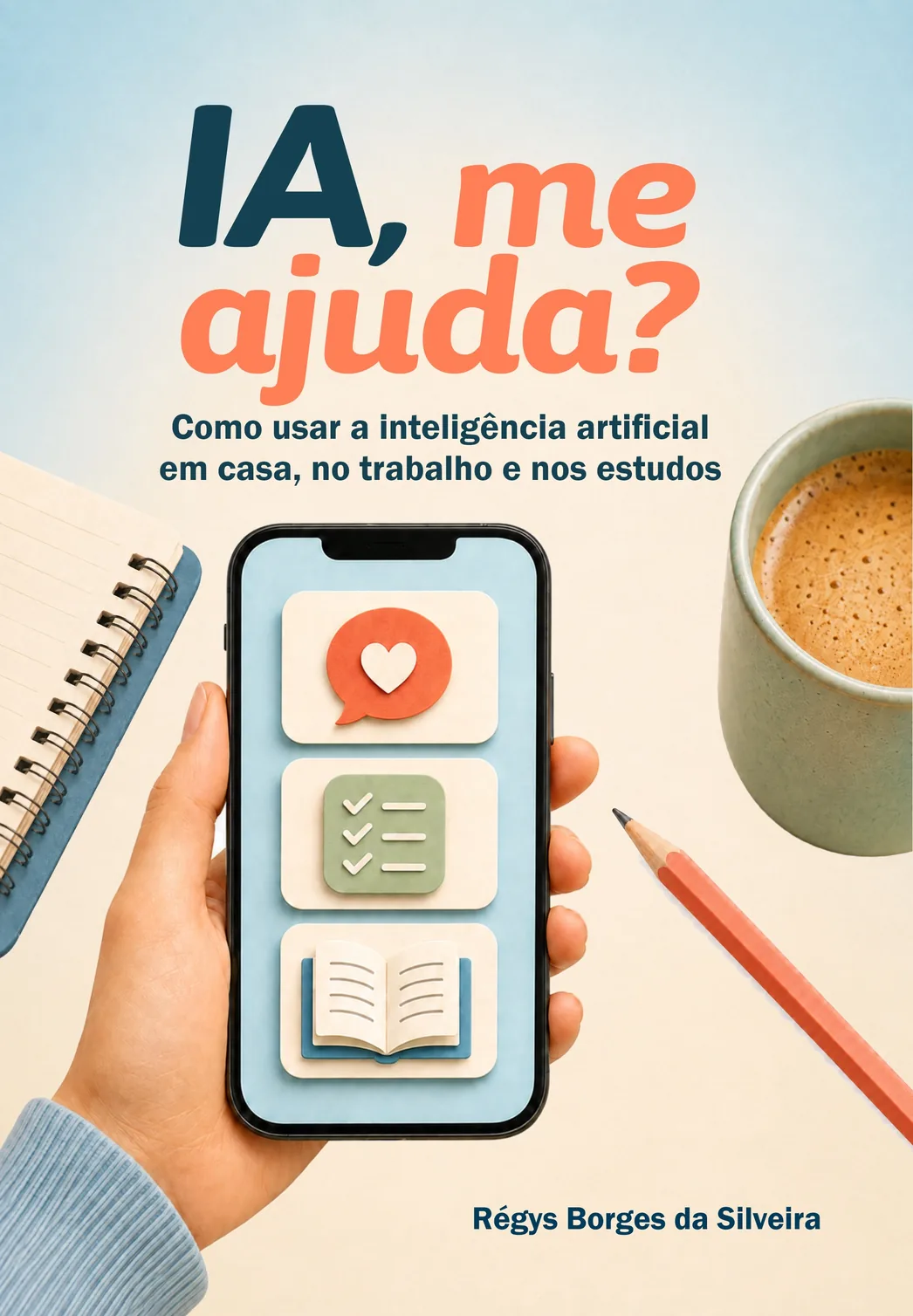
AI for everyday life
AI, Can You Help Me?
Open this book beside your phone or computer and start using AI usefully, consciously, and safely.
Explore →
History of AI
Before ChatGPT
Discover how we arrived here through an accessible journey across the ideas, people, and machines that changed the world.
Explore →
History & Belonging
The Roots of Our Sides
Discover the paths that connect people to ideas and how much of a life story remains outside a label.
Explore →